Some weeks ago, I wrote about a small YouTube channel called The Girl with the Dogs. Just a girl, a camera, and a few wet, nervous dogs, nothing more. And yet she built a following of over 5 million people by turning a simple grooming business into something larger than herself: a space of care, purpose, and empathy.
That story made me realize how powerful it is when a business transcends profit to really connect with people. When work becomes not just good for business, but good for the soul.
Today I want to share another example of “Business Good for the Soul” in a completely different industry, with a completely different story and path: a flower shop. This is a story of recognition without logos, experience as loyalty, and the art of “no tactics.”
A Name Everyone Knows
In Castelfranco Veneto, a small medieval town in the province of Treviso, Northern Italy, there’s a flower shop called Fioreria Dario, and around here, that name means something.
Castelfranco Veneto is a postcard kind of place, narrow streets under old porticoes, cafés spilling onto cobblestone, and a red-brick castle right in the center. It’s small enough that everyone knows everyone (almost), but big enough to have its own rhythm and pride.
And among all the local stores and artisans, one name stands above the rest when you want to make someone feel special: Dario. There are several florists in town, but ask anyone where to go for the most beautiful bouquet, and they’ll all say the same thing. Dario is the synonym for taste, finesse, and elegance.
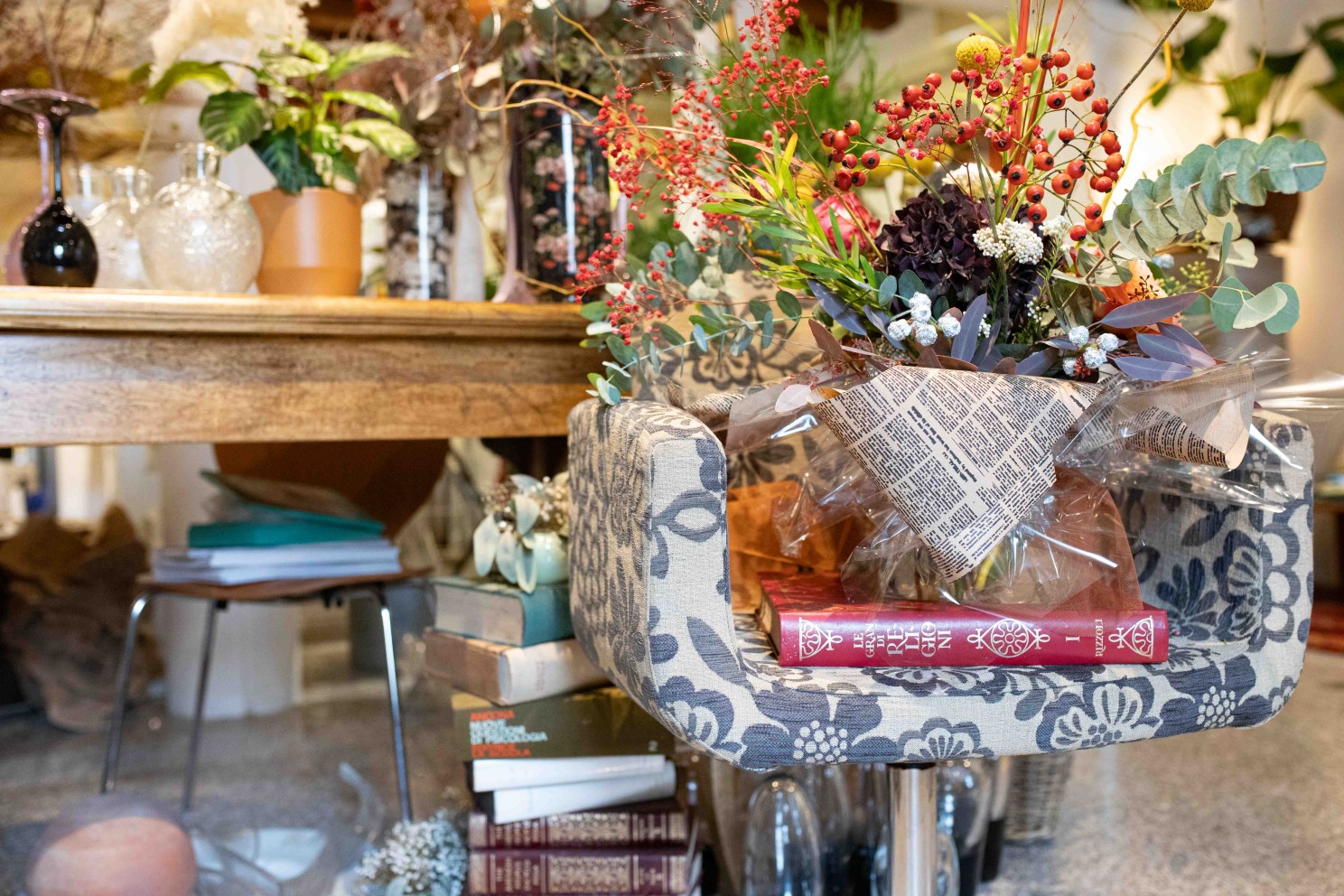
But it’s not just about the bouquet. It’s where you go when you want to gift something that shows your taste, that shows you care. And that’s interesting, because a bouquet of flowers is, stereotypically, the most generic last-minute gift you can come up with. But not here. In Castelfranco, a bouquet from Dario means you thought about it.
What does this have to do with marketing? Everything.
Recognition Without Logos
They’ve mastered one of the most basic, and hardest, things to do in marketing: their product is recognizable even without a logo.
Their style is unmistakable. It’s what fashion might call quiet luxury: understated, natural, intentional. Mara, the owner, believes in working with nature, not against it. The flowers fall as they please; the greenery grows wild within carefully balanced compositions. What looks spontaneous is, in truth, deeply deliberate, design that feels alive rather than arranged.
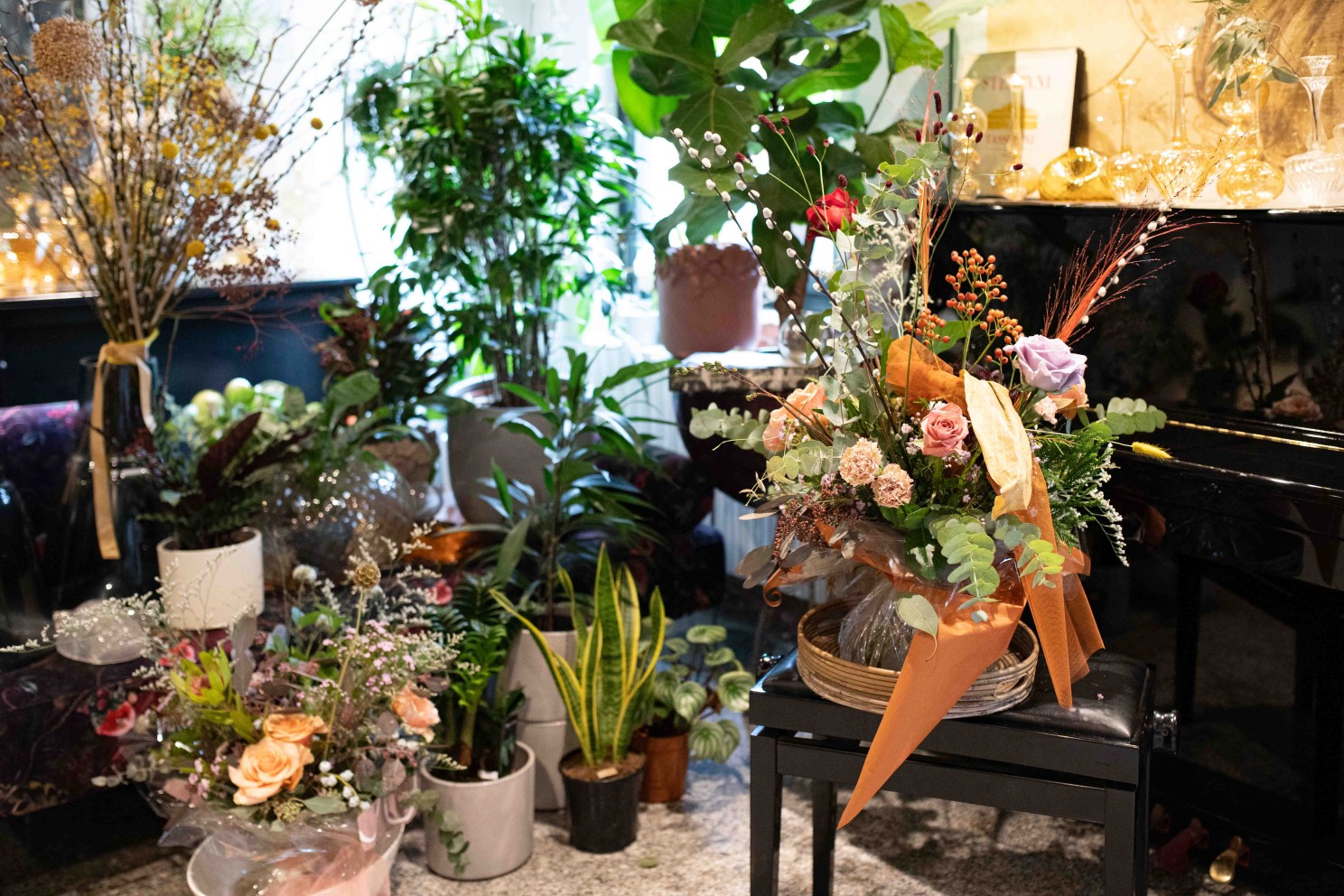
In branding, that kind of recognizability is gold. It’s something usually achieved by global names, but Fioreria Dario’s arrangements are as recognizable to the people of Castelfranco as the Coca-Cola bottle or Ferrari’s silhouette. When people can identify your product without reading the name, you’ve achieved what most brands spend millions chasing.
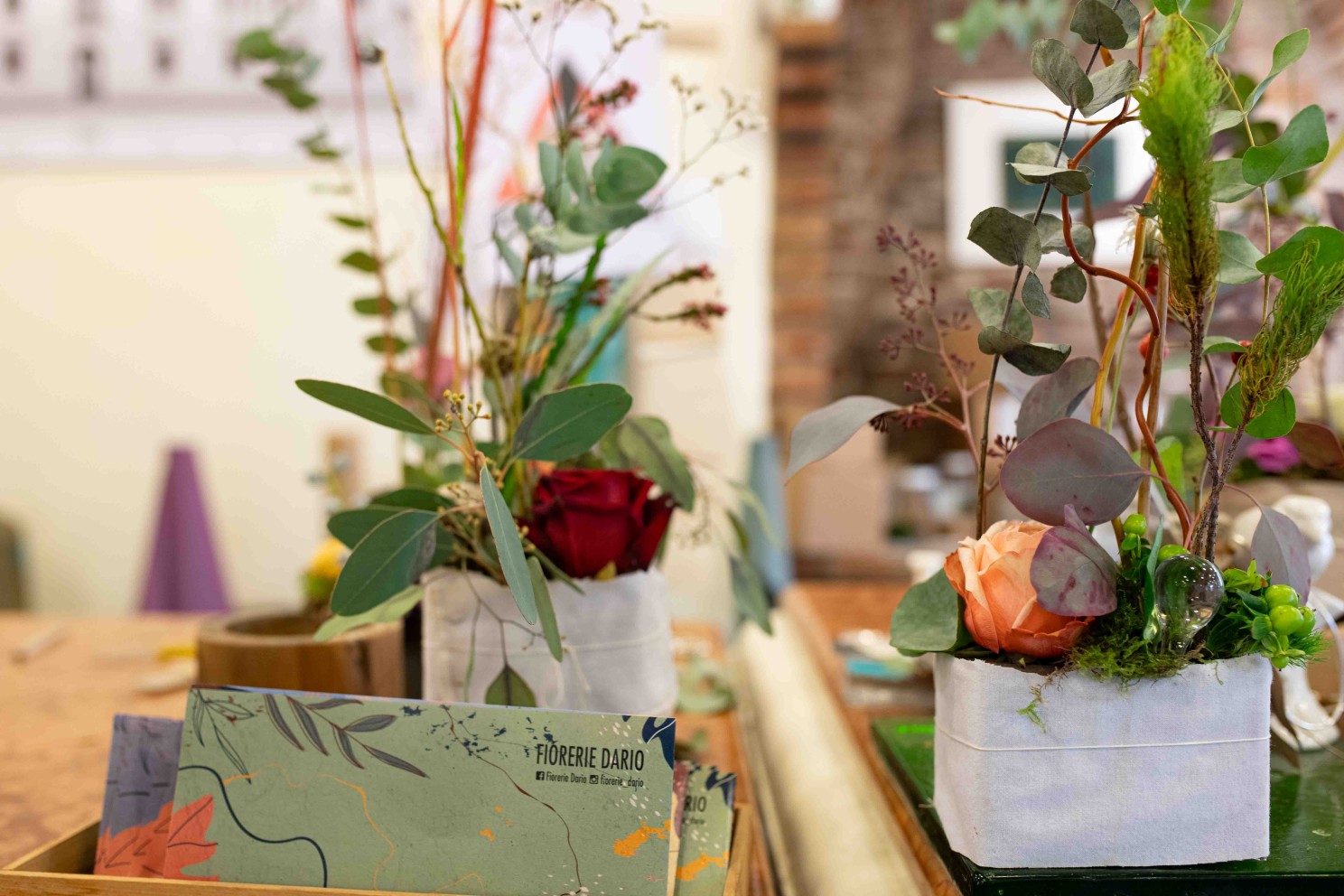
The secret isn’t rocket science: it’s consistency. Recognition is built through recurring elements. For Dario, it’s eucalyptus. You’ll find it in almost every bouquet, their unwritten signature. If you’re not in the flower business, your “eucalyptus” might be something else: a color, a shape, a scent, a line in your packaging, or a note you slip into every order. Whatever it is, it’s the small, repeating element that turns a product into a presence.
But this is only the surface of what makes Fioreria Dario special.
Their recognizable style is just the beginning of a much larger story, one that shows how a simple shop can grow into something far more meaningful.
Over the years, Dario has become not only a symbol of elegance in Castelfranco, but also a place where people meet, slow down, and reconnect with beauty in a very human way. And to understand how that happened, we need to start from the center of it all: their space. Because for any retailer, the physical store isn’t just a location, it’s where marketing, positioning, and brand identity take shape and become tangible. It’s where people truly experience what the brand stands for.
The Store
Fioreria Dario doesn’t rely on online sales or advertising campaigns. Their website is simple, their social media presence quiet. And yet, they continue to thrive. The reason, I think, is that their marketing doesn’t start on a screen, it starts the moment you walk through their door.
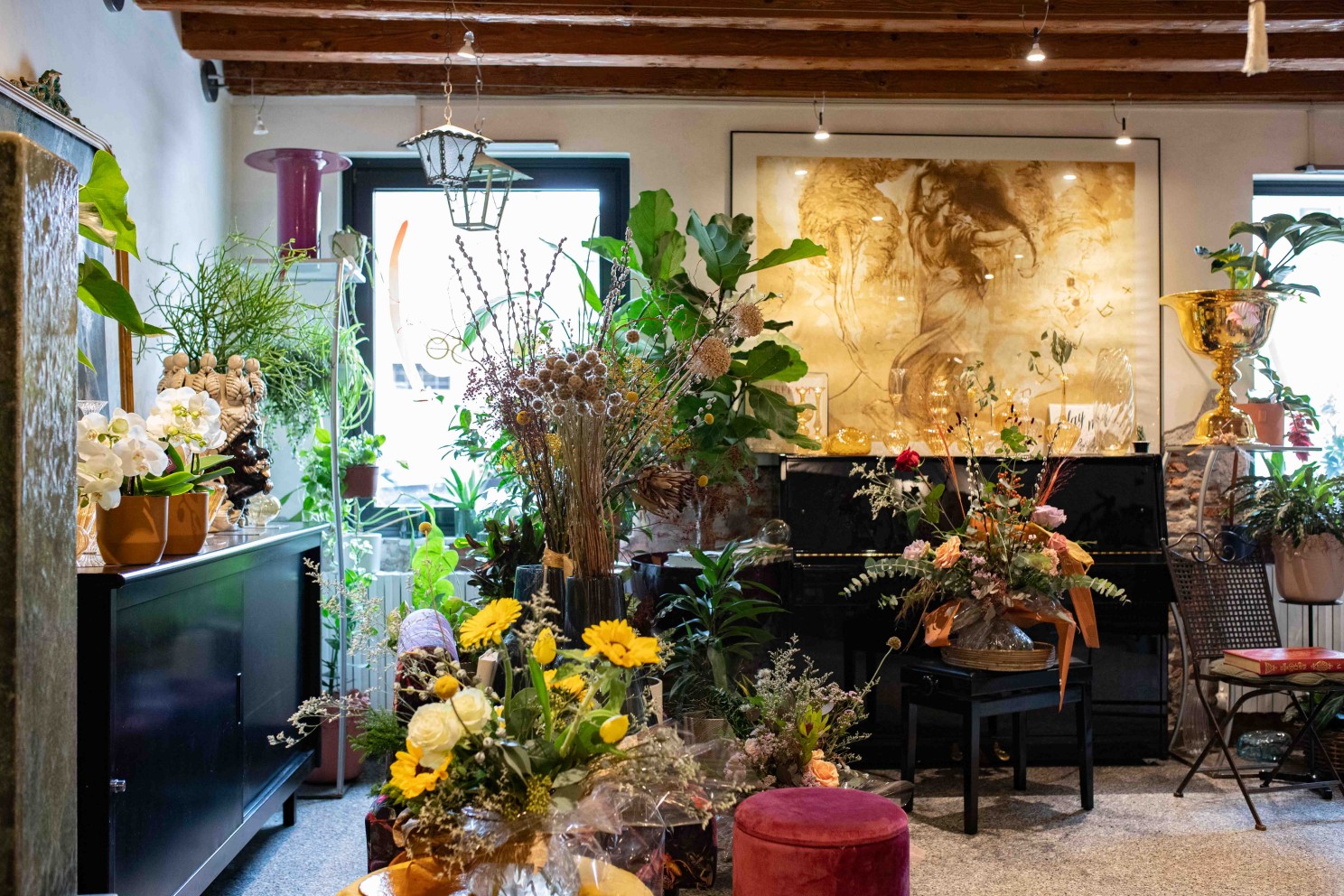
Calling it a store almost feels wrong. It’s more like stepping into a living, breathing space where everything has a purpose, even if it doesn’t seem that way at first glance.
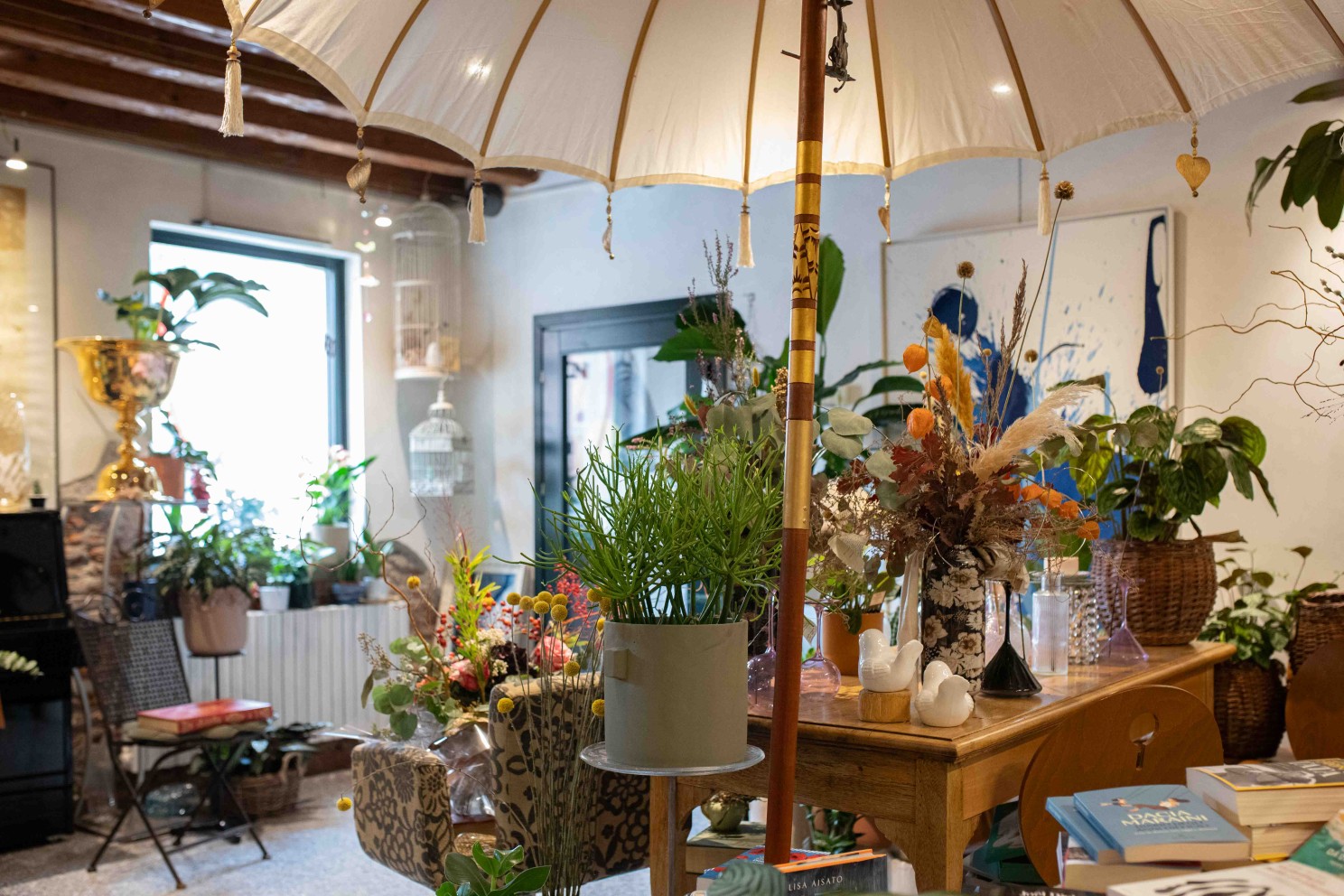
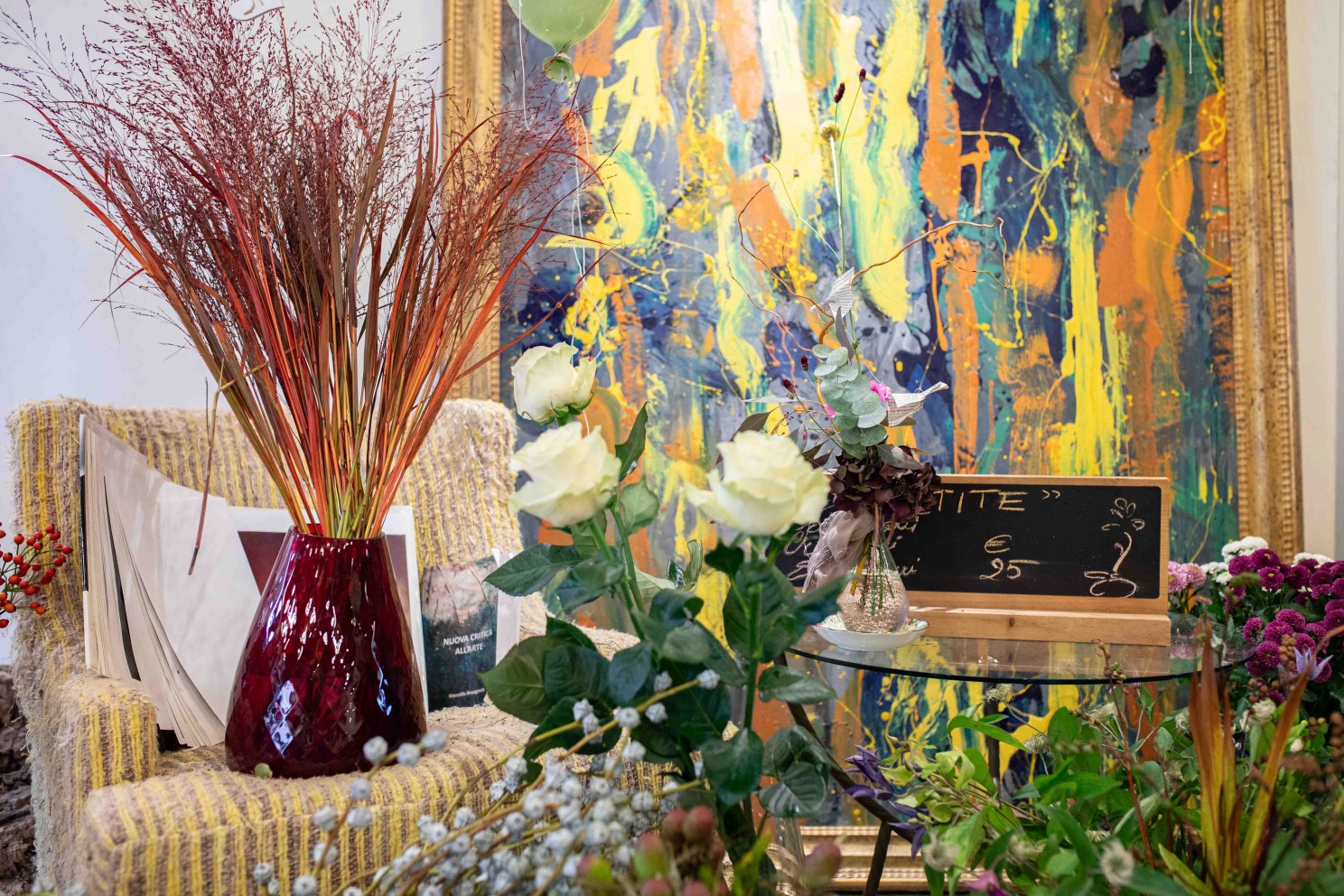
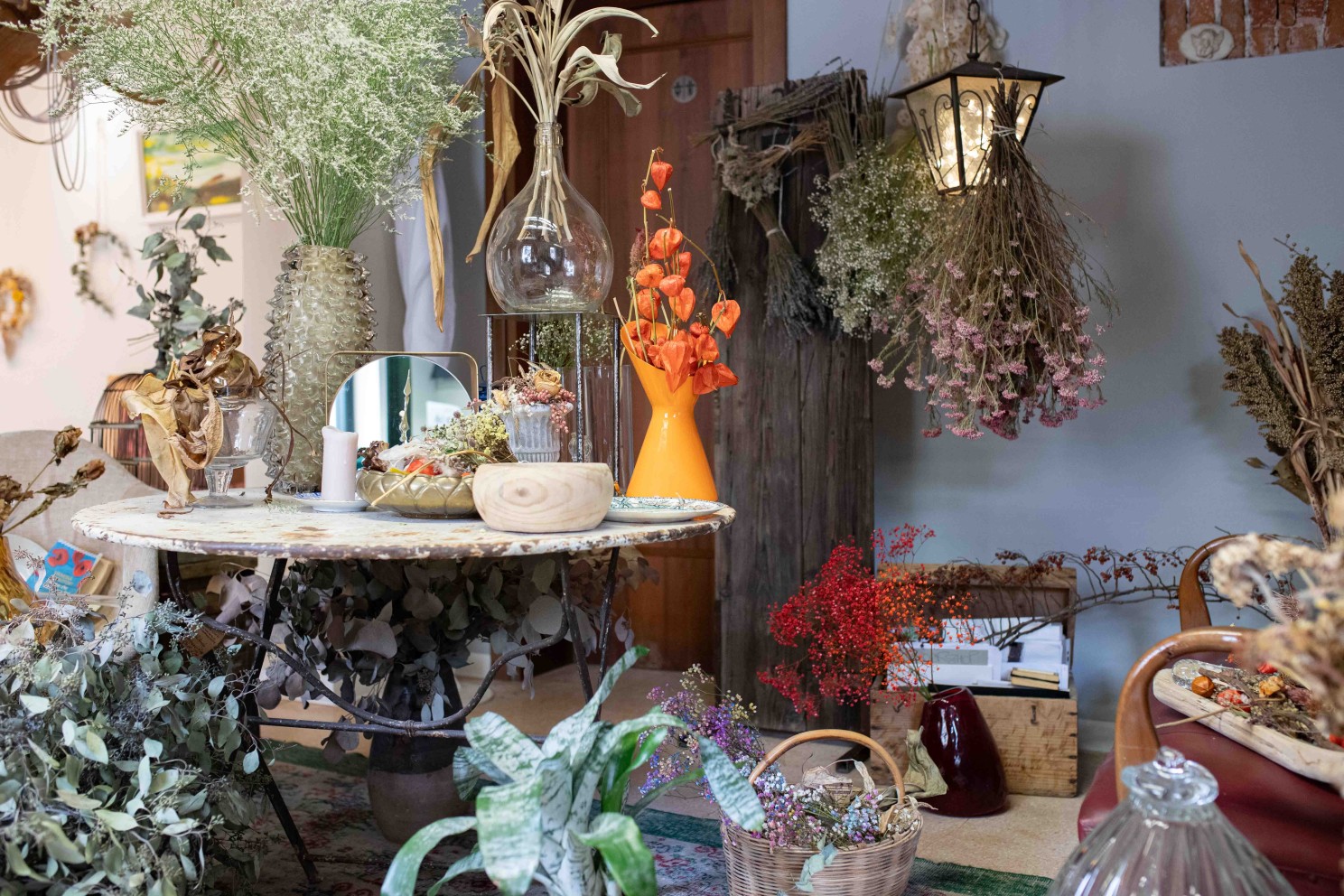
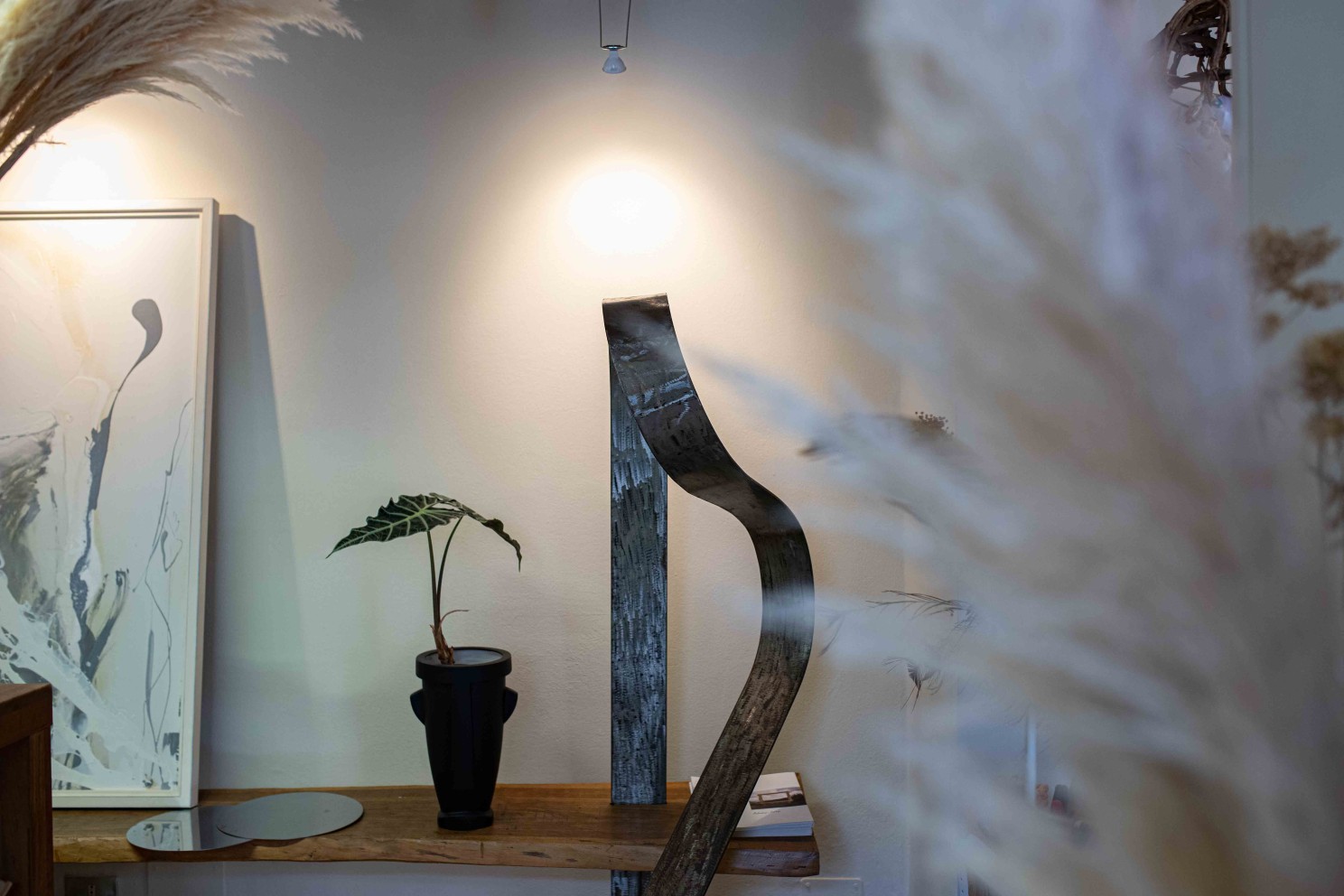
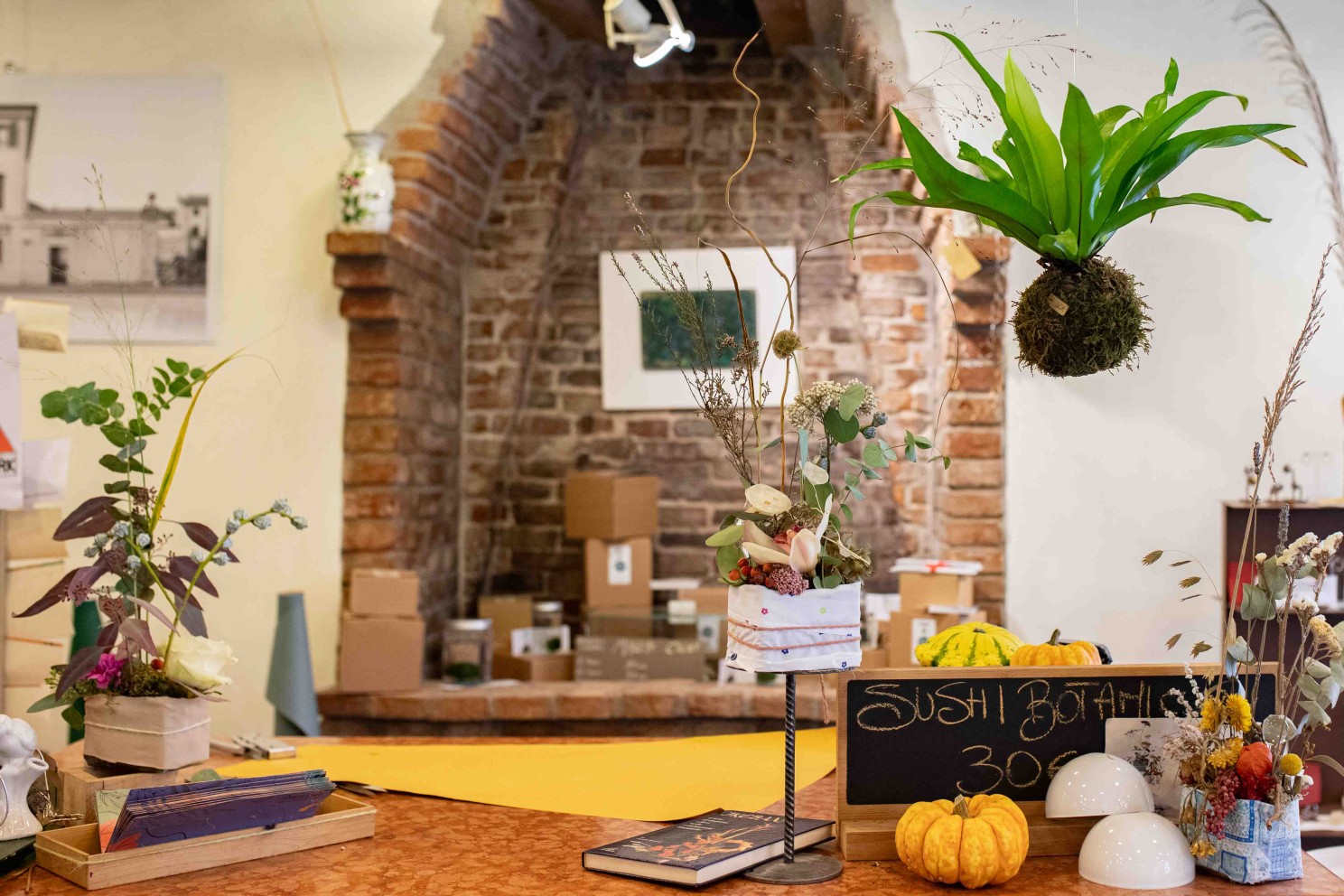
At first sight, the shop seems unstructured, baskets stacked here, handmade vases there, dried branches leaning in one corner, a pile of books resting on a table. But in fact there is a balance, everything feels natural and in harmony, a kind of aesthetic intuition that makes the space calm rather than chaotic.
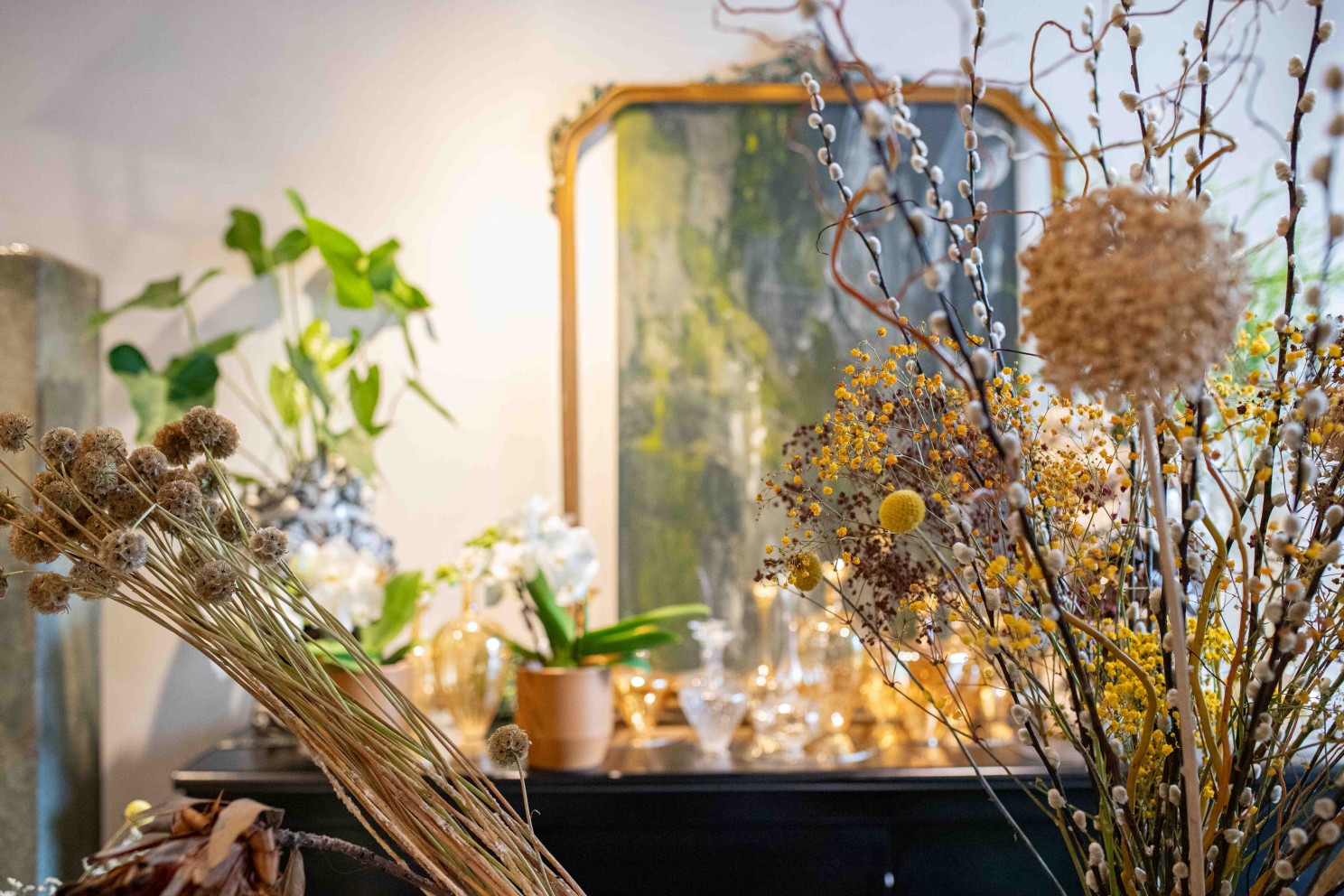
Nothing feels imposed or overly styled; it’s curated but never cold. It’s the kind of beauty that doesn’t intimidate you, it welcomes you in, makes you want to stay a while, maybe even sit down and have a coffee.
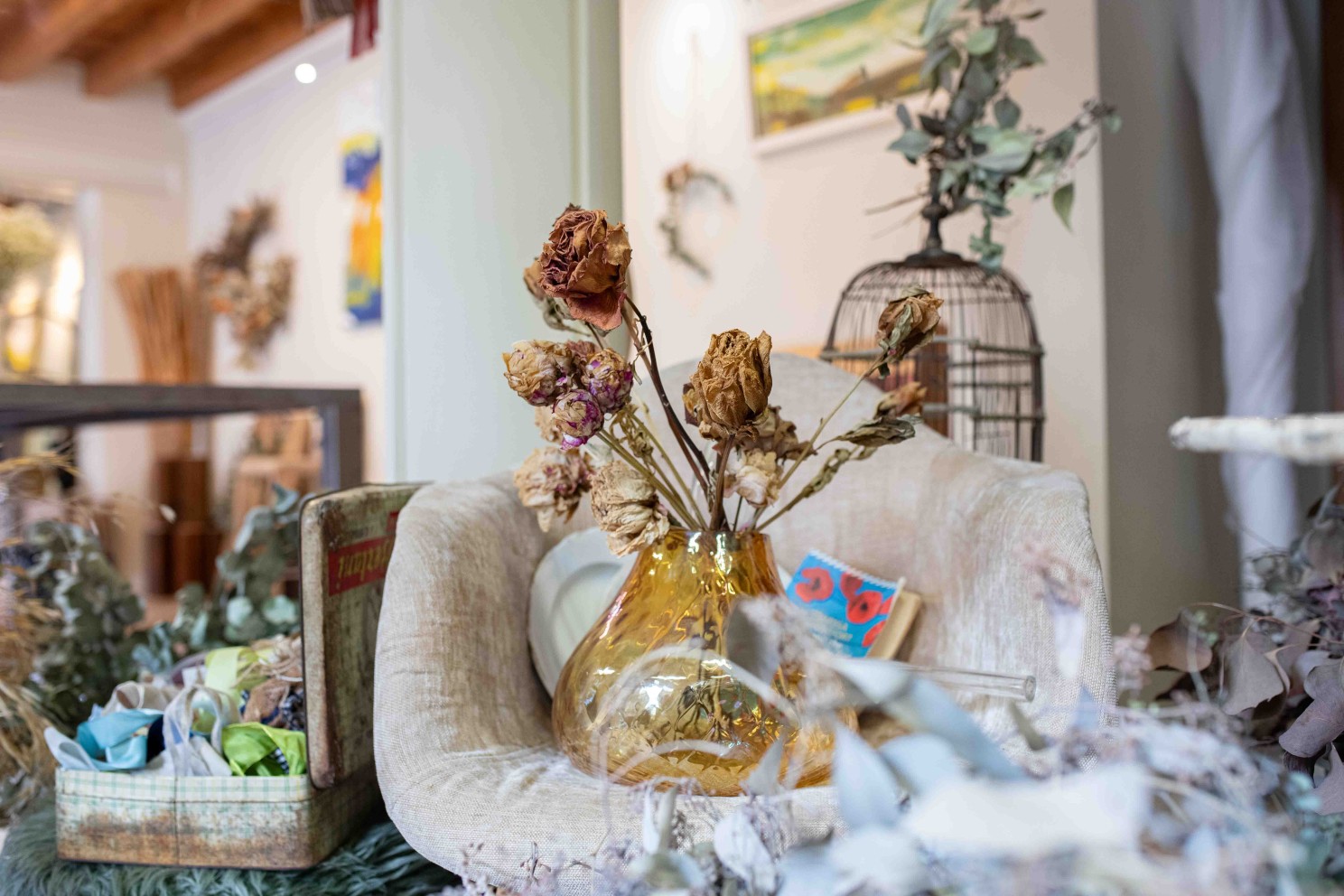
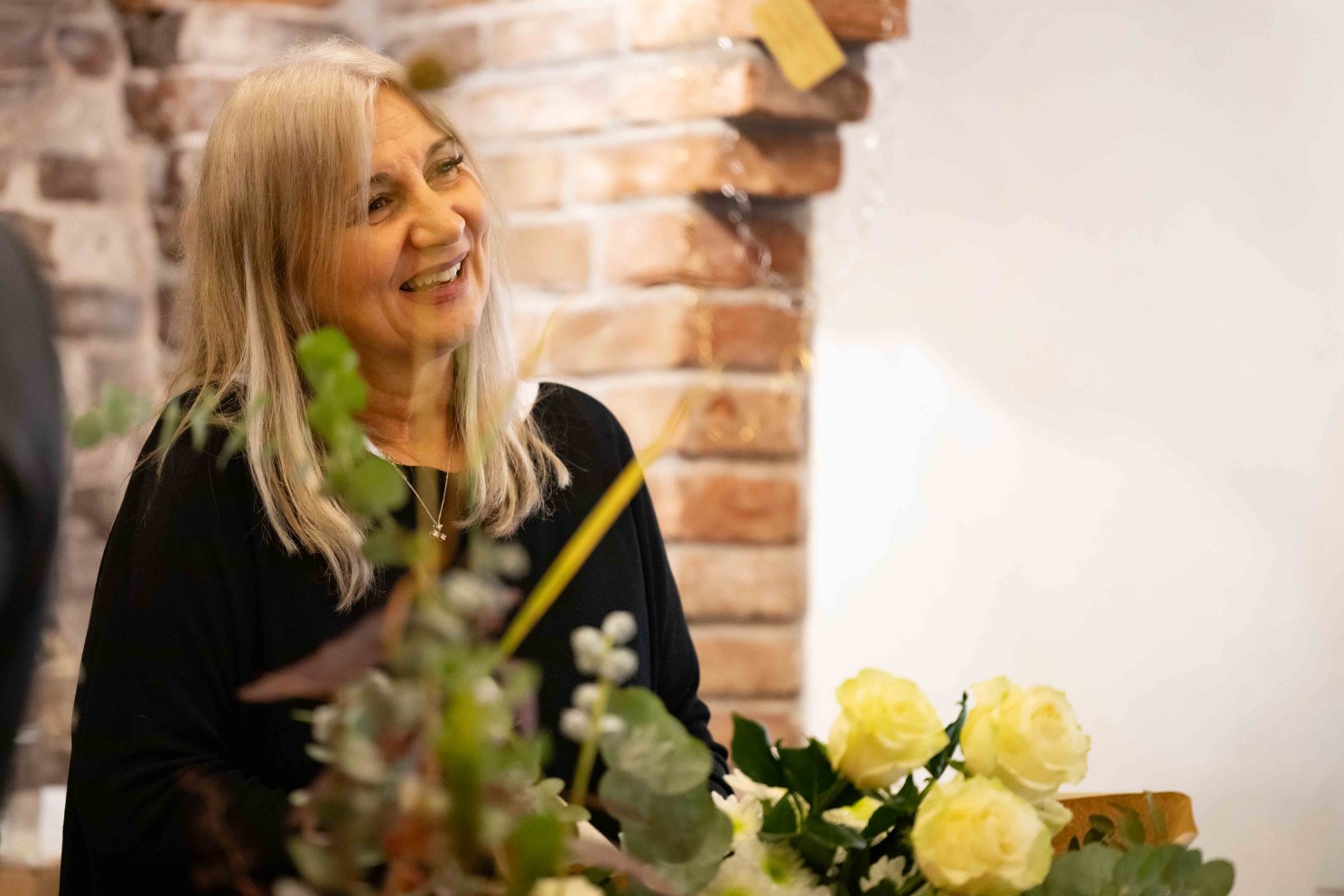
And then there’s Mara. She moves through the space quietly, with the kind of confidence that comes from doing something you love for a long time. You rarely see her without something living in her hands: a branch, a ribbon, a stem she’s trimming while talking to a client. She’s an artist, but she’s also a leader. Many of her collaborators have been with her for years, and you can sense that bond the same way you can sense the scent of the flowers, subtle, but everywhere. You can’t tell who made which bouquet because the style is shared, absorbed, transmitted. That’s what happens when a personal vision becomes culture.
More Than a Shop
Mara’s creativity doesn’t stop at flowers. She’s also a painter, and that artistic curiosity naturally spills over into everything she touches.
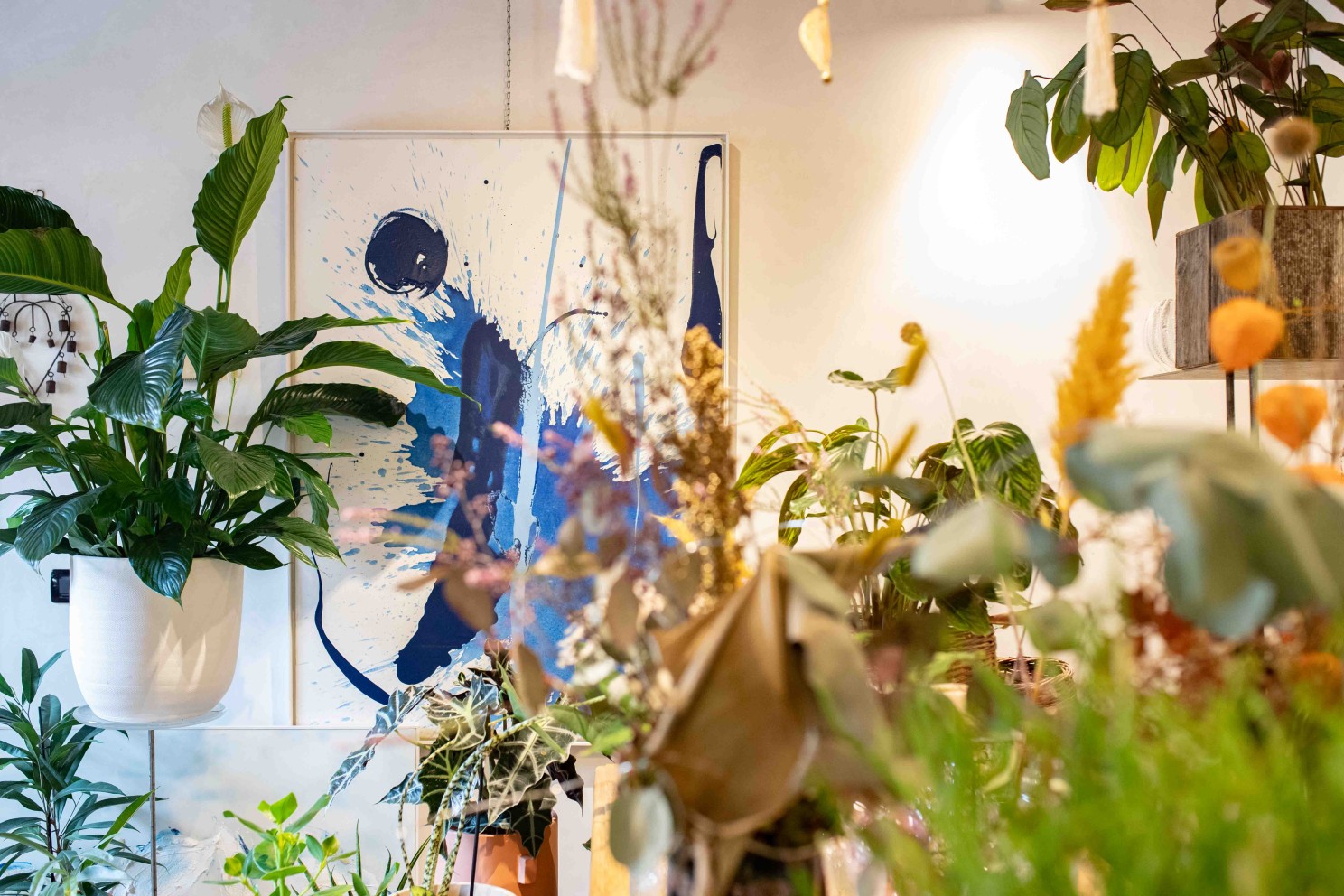
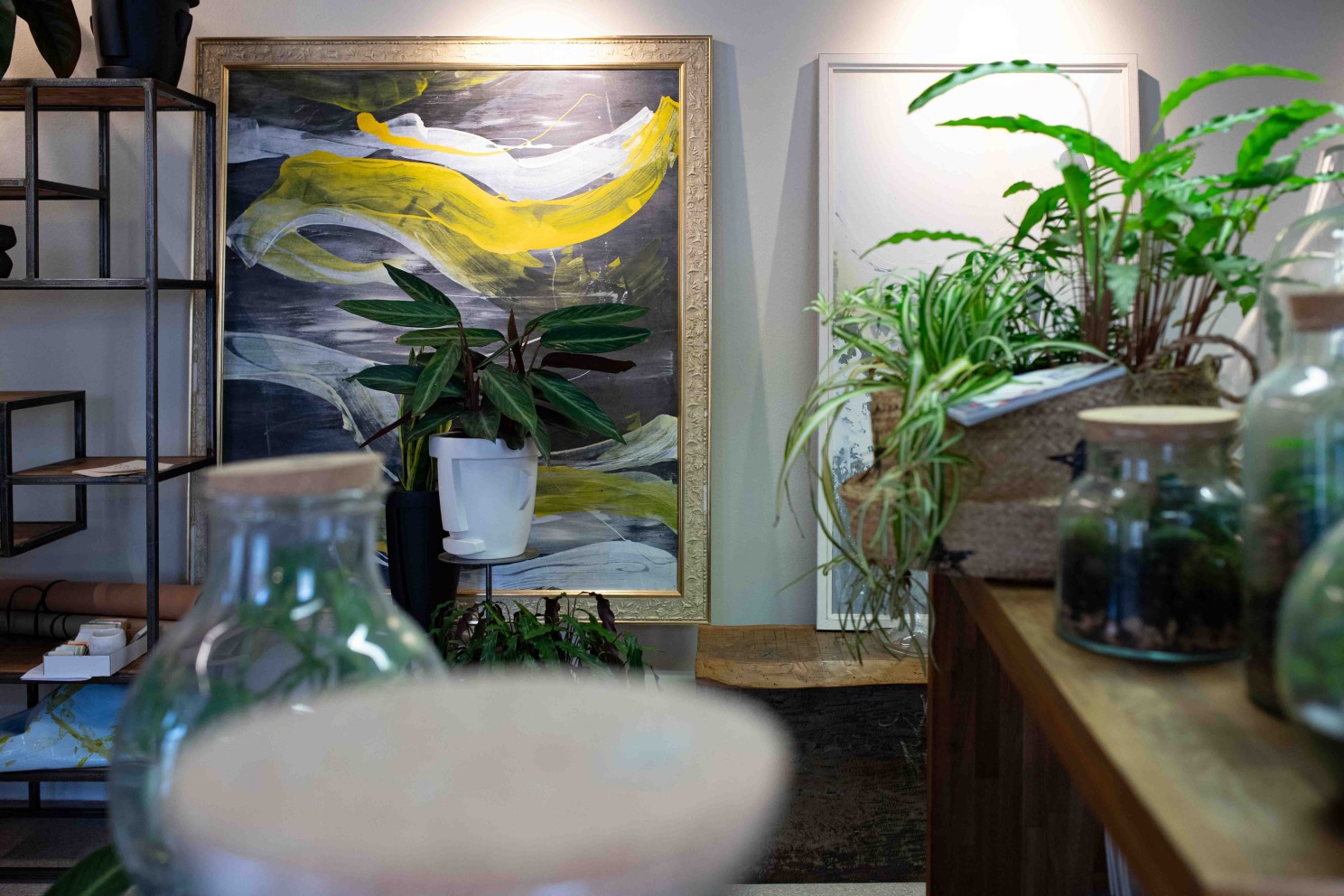
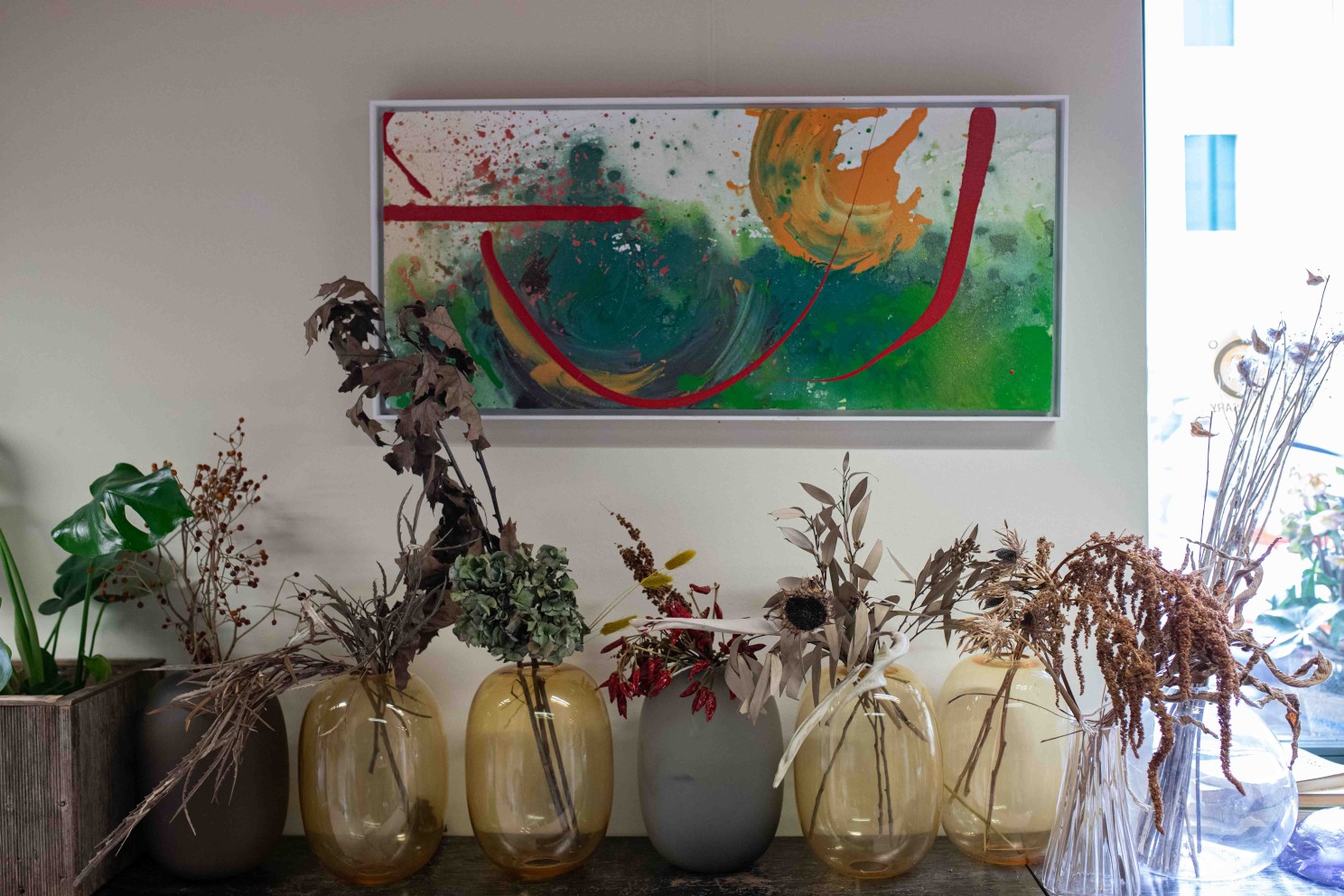
At some point, that same restlessness, that desire to keep exploring beauty in new forms, led her to try something different. It began as a small experiment, almost a side note to her daily work, but it eventually opened an entirely new chapter in the story of Fioreria Dario. By then, calling it just a “shop” no longer felt right.
The idea itself wasn’t revolutionary, but the way she brought it to life was. At its core was the most universal goal of any business: the desire to connect more deeply with people.
We all talk about connection, every brand presentation, every marketing workshop mentions it as a key objective. But the truth is that how you choose to create that connection, and how authentically you follow through on it, makes all the difference.
And that’s exactly where Fioreria Dario stands apart. What Mara created wasn’t a marketing plan, but an experience, a way to invite people in, to make them part of the same world she builds every day through her work with flowers.
The Workshops
A few years ago, Mara decided to try something new. Her creativity has always been contagious, and she wanted to find a way to share it more directly with people, to open the doors of the shop not just to customers, but to anyone curious to create something with their own hands. What started as a small experiment soon became a defining part of Fioreria Dario’s identity.
She began hosting intimate creative workshops, no more than eight or ten people at a time. They gather around a long wooden table in a quiet corner of the shop, surrounded by paintings, plants, and the faint hum of piano music in the background. The tone is calm and unhurried. People are greeted with tea, laughter, and the comforting scent of flowers and wax that fills the room. For a couple of hours, the world outside feels very far away.
At first, these workshops were simple: floral compositions, kokedama (moss balls with plants), wreaths, and even something delightfully unexpected like “flower sushi.”
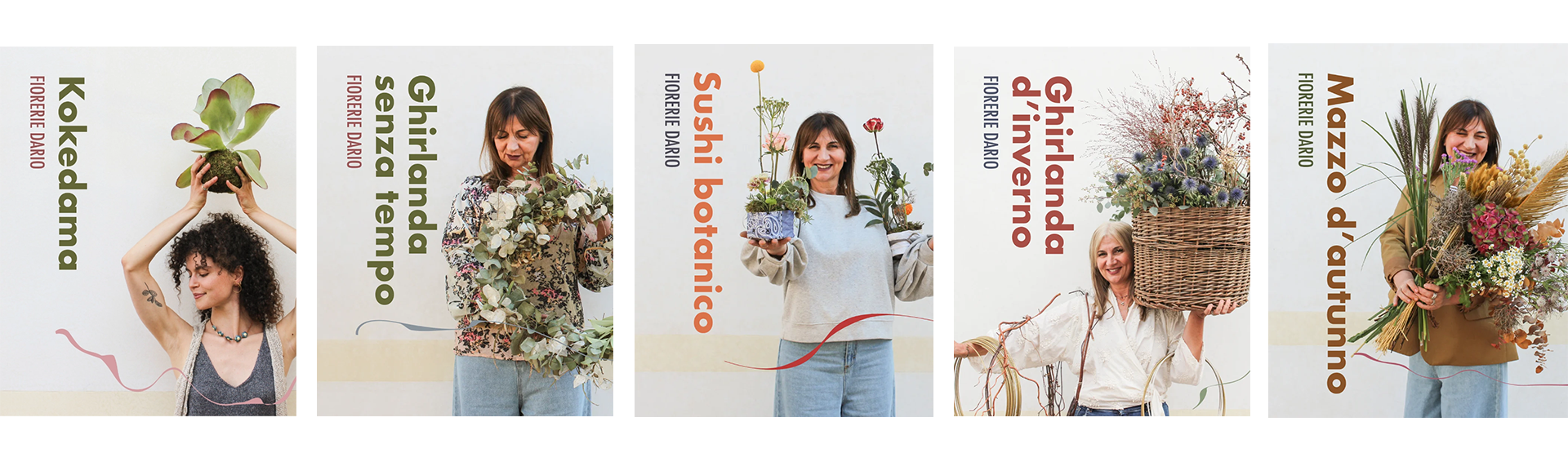
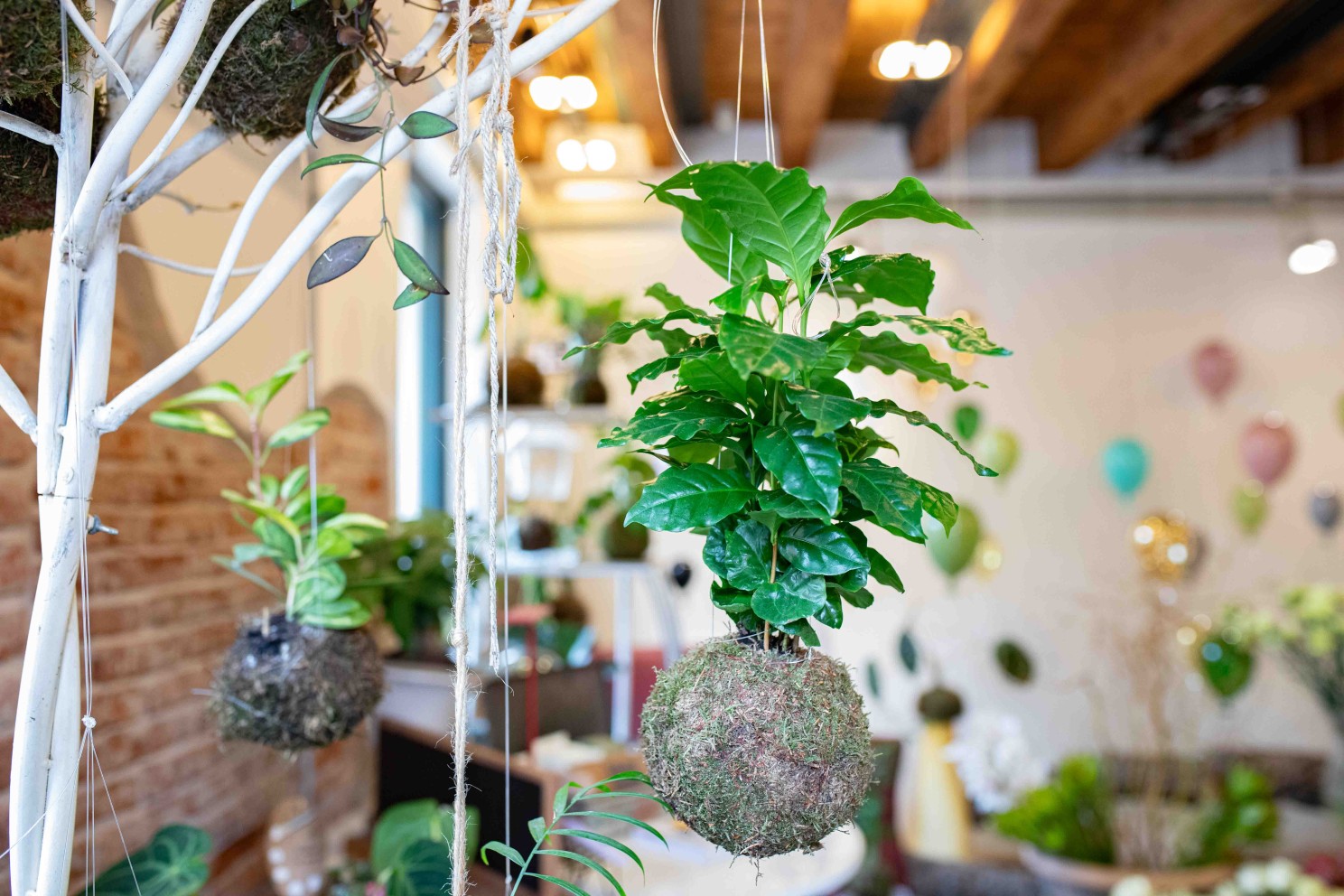
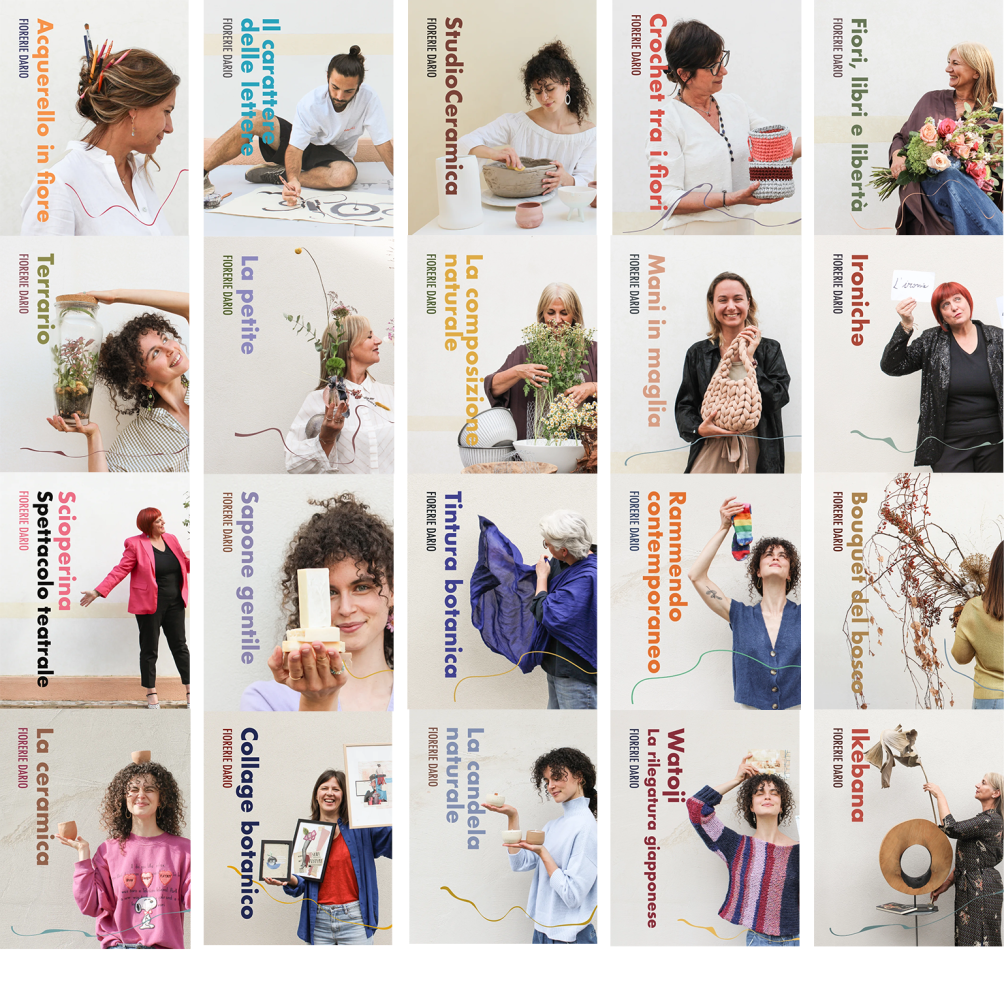
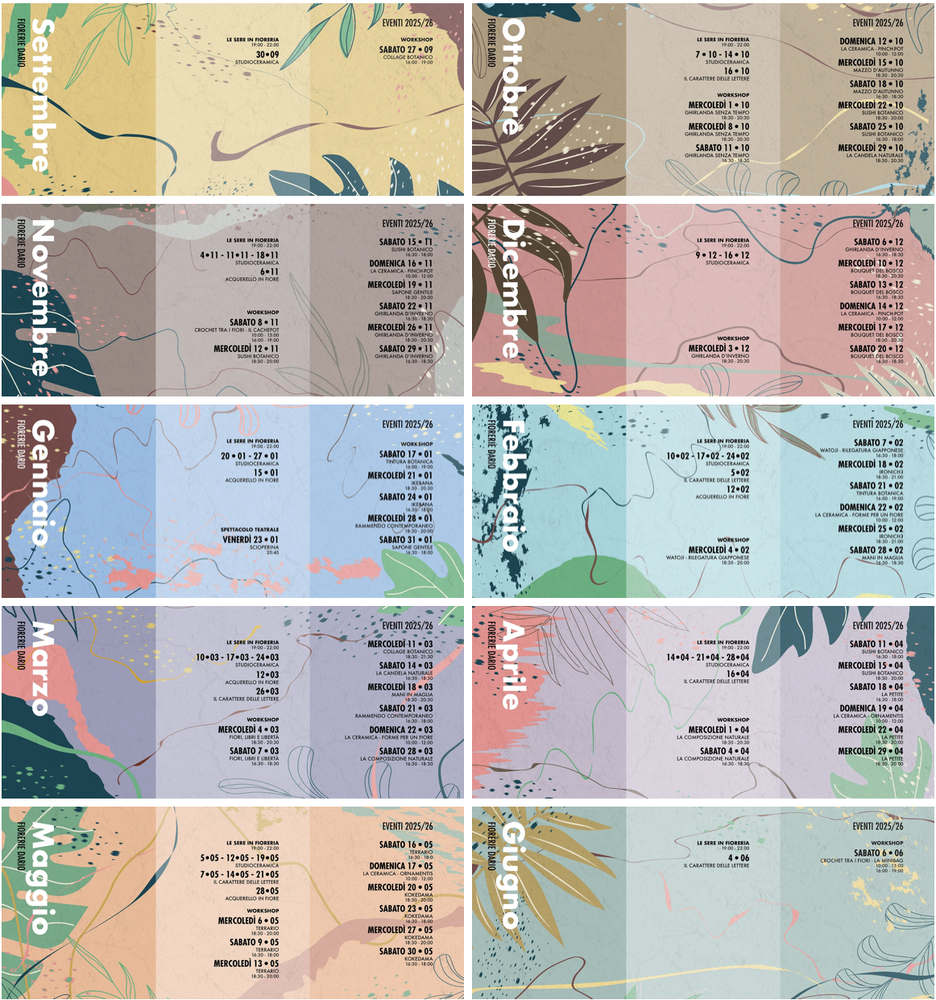
But the idea resonated. Word spread, and now each year the calendar grows, pottery, calligraphy, watercolor classes, all led by Mara or by other local artisans she collaborates with. The demand has become so high that sometimes they have to add extra dates, like a small-town concert series adding encore shows.
I’ve experienced this part of Fioreria Dario’s story firsthand. I’ve known Mara and her world since I was a kid, her shop has always been a place that felt a little enchanted to me, like stepping into another rhythm of life. Recently, I started attending some of these workshops with my mum (three so far) and they’ve become our small ritual, a way to spend time together away from everything else. I’ll be honest: every time I sign up, I end up rushing from work, tired, slightly irritated at the idea of doing something social midweek when all I want is to crash on the sofa. And yet, every single time, I leave full of energy. Working with your hands gives an instant dopamine boost, but it’s more than that, it completely resets your mind. For a couple of hours, the noise of daily life disappears, and everyone around the table ends up smiling. The most wonderful part is that at the beginning, people are convinced they won’t be able to make anything beautiful, but by the end, they all do, and that moment, when you realize you created something with your own hands, gives such a rush of pride and self-confidence that you can’t help but go home lighter.
It would be easy to call this a clever marketing move, but that would miss the point entirely. What happens in these workshops isn’t about selling; it’s about connecting. How many retailers truly share what they know with you, their skills, their passion, their time, without an agenda? It’s rare. Especially now, when most “connection” happens through a phone screen, curated and filtered until it hardly feels human at all.
Fioreria Dario takes the opposite approach. For them, quality comes before quantity, and the latter follows naturally through word of mouth. They don’t measure reach; they build relationships. They don’t post content to chase engagement; they create experiences that people actually want to talk about. The store becomes a place to breathe, to learn, to feel part of something.
For a couple of hours, people step out of their routines. They work with their hands, experiment, and rediscover the quiet satisfaction of making something tangible. When they leave, they take home more than a composition or a pot, they take a feeling. A small piece of peace. A memory. And that emotional trace lasts longer than any discount ever could.
This is loyalty at its purest form, born from shared time, not transaction. Because after an afternoon like that, how could you buy flowers anywhere else?
Instead of chasing clicks, Fioreria Dario builds belonging. They’ve turned their customers into participants and their shop into a small community sustained by emotion rather than algorithms. No SEO. No discounts. No funnels. Just consistency, integrity, and heart.
Sometimes, the best marketing strategy is “not to have one”, just to do your work beautifully, and let people talk.
When Flowers Speak
In Castelfranco, when someone gives you flowers from Dario, it’s not just a polite gesture. It means something. It says I thought of you. I wanted to give you something beautiful. I care enough to choose well.
And that’s remarkable when you think about it, because flowers, in most places, are considered the opposite, the easiest, most predictable last-minute gift. But here, Fioreria Dario has managed to turn that stereotype on its head. They’ve transformed the simplest object into a language of refinement and attention. When you receive a bouquet from Dario, you instantly know it wasn’t bought in a rush; it was chosen with intention.
That’s how a local shop becomes more than a business. It becomes a symbol, part of the town’s collective identity. They’ve shown that marketing, at its best, isn’t about persuasion but about resonance; about making people feelsomething that stays with them long after they’ve left your store.
That’s what Business Good for the Soul is really about. It’s the kind of business that reminds us that purpose doesn’t have to be loud to be powerful, that beauty and care, when practiced consistently, are forms of communication as strong as any advertisement.